It’s a fairly common assumption that the one thing a man should never ask about is a woman’s past. What good can ever come of it? Not because the woman necessarily has anything to explain or atone for, mind you, but because most men can’t quite get their heads—or their egos—around the idea that the women they’ve chosen to spend their lives with had lives before them.
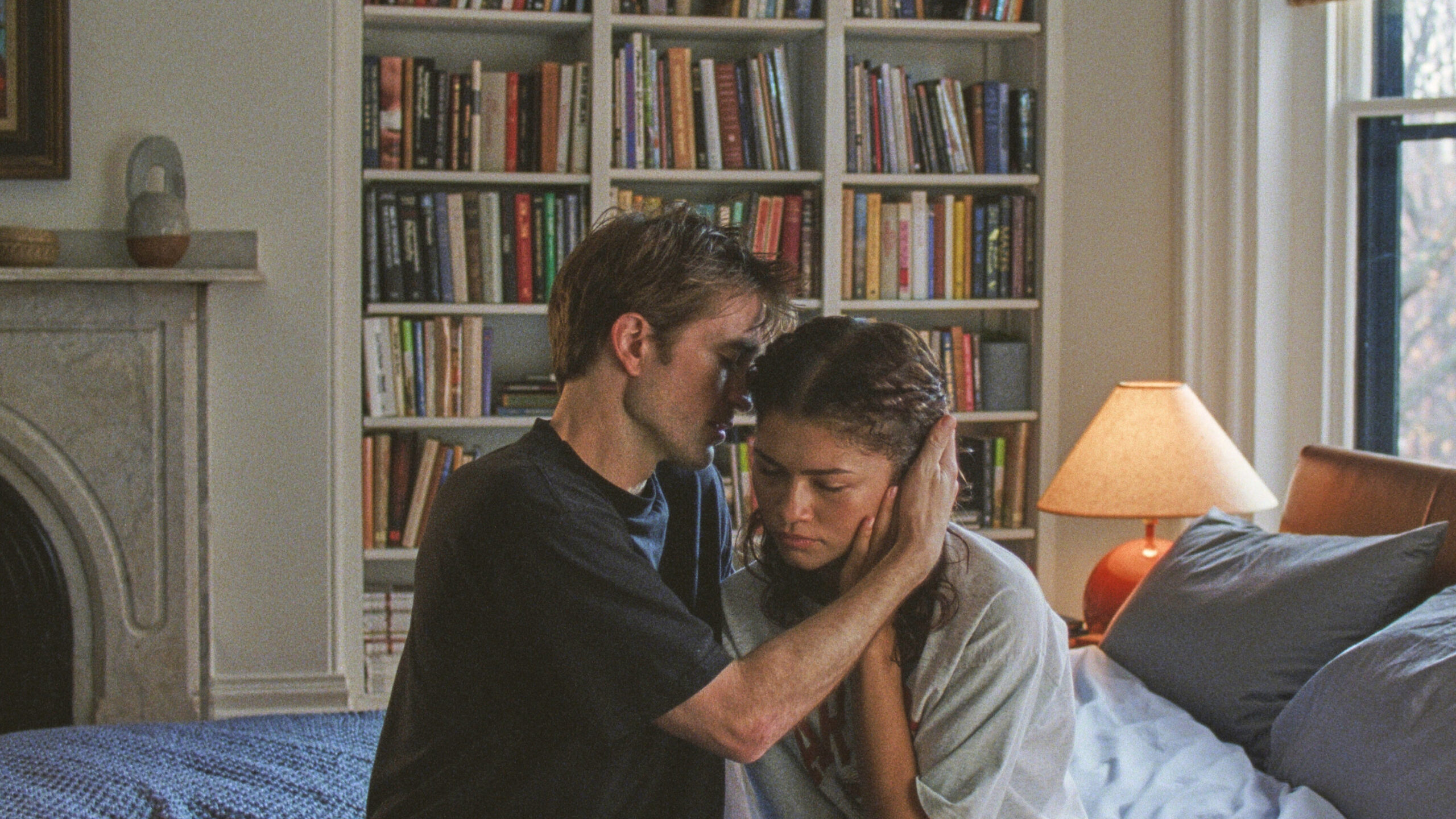
That concept—and then some—is put to the test in The Drama, which finds betrothed lovebirds Zendaya and Robert Pattinson thrown into suspicion after an admission turns their path to the altar into a “for worse” predicament. Writer-director Kristoffer Borgli (Dream Scenario) frames this conundrum in a nervy picture that’s hard to discuss without giving away the provocation that drives its drama. It’s probably best to state here that spoilers will follow: SPOILERS WILL FOLLOW.
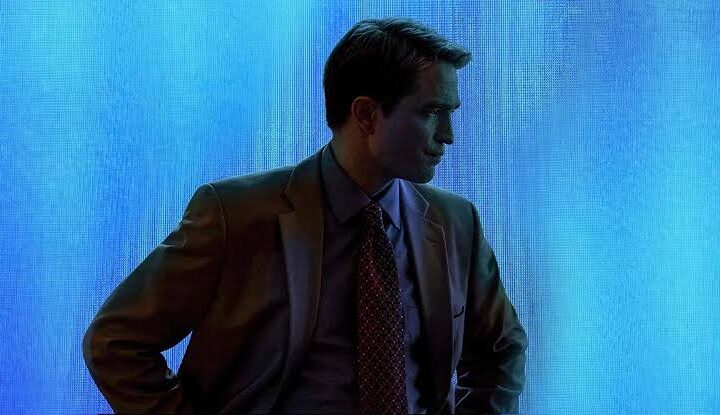
Now, on to The Drama, which opens on a time-tested romantic-comedy staple: a couple in a downtown coffee shop who meet via expected tropes. Befuddled, smitten art curator Charlie (Pattinson) tries to impress pretty but guarded bookstore clerk Emma (Zendaya) by fibbing his love for the book she’s reading. Borgli immediately subverts formula, rendering their meet-cute awkwardly off-center with the revelation that Emma is deaf in one ear. Why is another matter revealed in time. Also note the novel The Damage may be a fabrication for the film, but—red flag title, anyone?
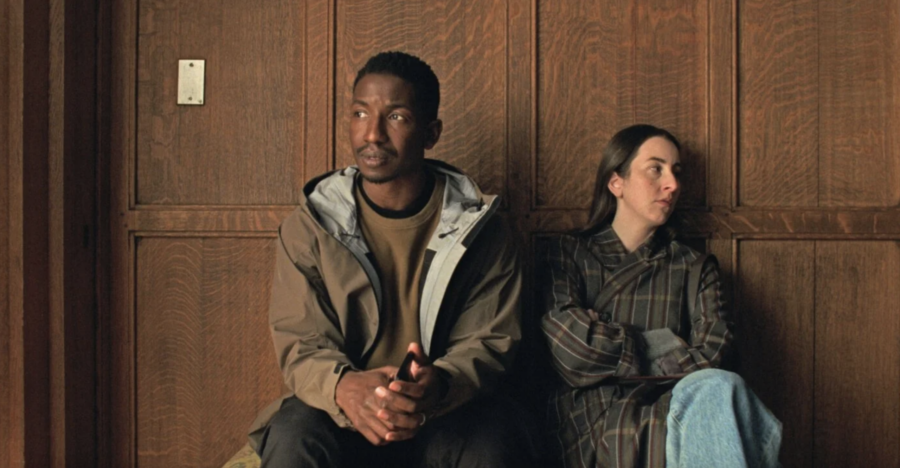
Things go off the rails fairly early in The Drama, during a drunken menu tasting with bridal party members Rachel (Alana Haim, terrific) and Mike (Mamadou Athie), where an ill-judged game of truth-telling is the main course. Whose bright idea was it to ask about “the worst thing” each friend has ever done? It hardly matters, because once Emma blurts out her deep, dark secret—that as a bullied teen she meticulously planned a school shooting that thankfully never came to fruition—it changes the calculus of their impending matrimony, from her groom-to-be’s trust to the venom of maid of honor Rachel, whose wheelchair confined cousin was a school-shooting survivor.
Here’s where the film courts controversy, because it’s only tangentially about whether someone who once harbored a perhaps violent pathology could simply move on from it as if it were a passing fad. For Charlie, everything suddenly seems upside down, and he begins to fear he doesn’t know Emma as well as he thought. Could she deep down still possess the impulse to kill? Despite Emma’s explanation that her dark plans were years ago and she moved on from them, the past cannot be changed.
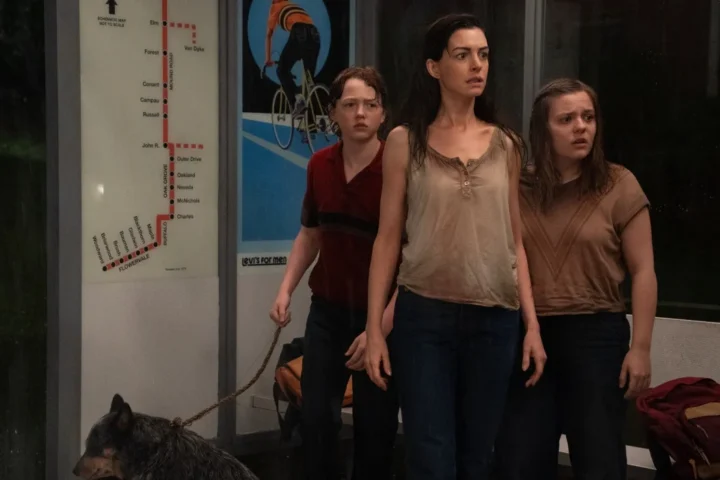
Charlie spirals, but the movie isn’t truly about the lingering pathology of a potential killer; despite flashbacks to the younger Emma (Jordyn Cruet), that subject isn’t explored seriously and is posited more as an eye-brow raising MacGuffin, deployed to mount universal questions about whether our partners’ pasts should matter (and whether a man can ever not hold a woman’s past against her), and the freefall of a relationship rocked by difficult truths. Should we punish people for things that have nothing to do with us—like the pair’s wedding deejay (Sydney Lemmon), whom they glimpse smoking heroin on the street and decide, despite no interference in the job she’s been hired to do, to fire?
Borgli has crafted a lacerating tragicomedy, in which the banal ritual of a wedding photo session (with a too-chipper photographer, well played by The Materialists’ Zoe Winters) becomes an excruciating endurance test, while a savage wedding ceremony finds its apex not in “I do” but in awkward humiliation; Haim excels, perhaps as the movie’s MVP, in a caustic, ante-upping maid-of-honor screed. As ever, Pattinson is in fine form, never more than during the push-pull of a spontaneous tryst with an office confidant (Hailey Gates) and in the film’s final moments, which, despite “the damage” inflicted, are surprisingly optimistic.
Yet The Drama leaves Charlie and Emma stranded in an unpleasant reality. The film’s bitter irony is that Emma’s revelation, which is not about violence or victims but merely thoughts, proves nonetheless ruinous. In this, Borgli says that the most destructive force in a relationship may not be what happened (or didn’t) in the past, but rather just knowing about it. The brutal honesty Charlie demands may be the one thing his relationship can’t survive.
3 stars